
Farming has always required a careful balance of risk and reward, but in today’s economic climate, financial planning is more important than ever. Rising costs, unpredictable weather patterns, and fluctuating market prices mean farmers must think beyond traditional income streams. Exploring a farmer investment strategy can help build resilience and create long-term financial security without compromising day-to-day operations.
What Is Farmer Investment And Why Does It Matter?
Farmer investment refers to the process of allocating capital into opportunities that generate additional income or long-term growth outside of standard agricultural activities. This could include diversifying into property, renewable energy, or financial markets. The aim is to ensure that farmers are not solely reliant on crop yields or livestock prices, which can vary significantly year to year.
For many UK farmers, investing is not just about growth—it’s about stability. A well-planned farmer investment approach can provide a buffer during difficult seasons and help secure retirement income.
What Types Of Investments Are Available To Farmers?
Farmers have access to a wide range of investment opportunities, many of which can align with their existing land or business model:
- Property development or land leasing for commercial use
- Renewable energy projects such as solar panels or wind turbines
- Agricultural technology and equipment upgrades
- Stocks, bonds, or managed investment portfolios
- Diversified rural enterprises like holiday lets or farm shops
Each option comes with its own level of risk and return, so it’s essential to assess how each fits within your broader financial plan.
How Much Should Farmers Invest?
This is one of the most common questions. The answer depends on several factors, including current cash flow, existing debt, and long-term goals. As a general rule, farmers should avoid overextending themselves, especially in volatile markets.
A sensible farmer investment plan often starts with surplus income rather than core operating funds. Working with a financial adviser can help determine how much you can comfortably invest while maintaining liquidity for seasonal expenses.
Are There Tax Benefits To Farmer Investment?
Yes, there can be significant tax advantages depending on how investments are structured. For example, certain types of investments may qualify for tax relief schemes, while others can be integrated into inheritance tax planning.
Farmers should also consider how investments interact with agricultural property relief (APR) and business property relief (BPR). Making the wrong investment choice could unintentionally impact these valuable reliefs, so professional advice is crucial.
What Risks Should Farmers Be Aware Of?
No investment is without risk, and farmers are already exposed to a variety of uncertainties. Key risks to consider include:
- Market volatility affecting returns
- Liquidity issues if funds are tied up in long-term assets
- Regulatory changes impacting land use or tax treatment
- Over-diversification leading to a loss of focus on core farming operations
Understanding these risks allows farmers to make informed decisions and build a balanced portfolio.
How Can Farmers Get Started With Investing?
Getting started doesn’t have to be complicated. The first step is to clearly define your financial goals—whether that’s retirement planning, income diversification, or business expansion. From there, consider seeking advice from specialists who understand both finance and the agricultural sector.
A tailored farmer investment strategy should reflect your unique circumstances, including land ownership, business structure, and family considerations. Regular reviews are also important to ensure your investments continue to align with your objectives.
Is Professional Advice Worth It?
In most cases, yes. Farming finances can be complex, and investment decisions often have long-term implications. A financial adviser can help you navigate tax rules, identify suitable opportunities, and avoid costly mistakes.
More importantly, they can help you build a strategy that works alongside your farming business, rather than against it.
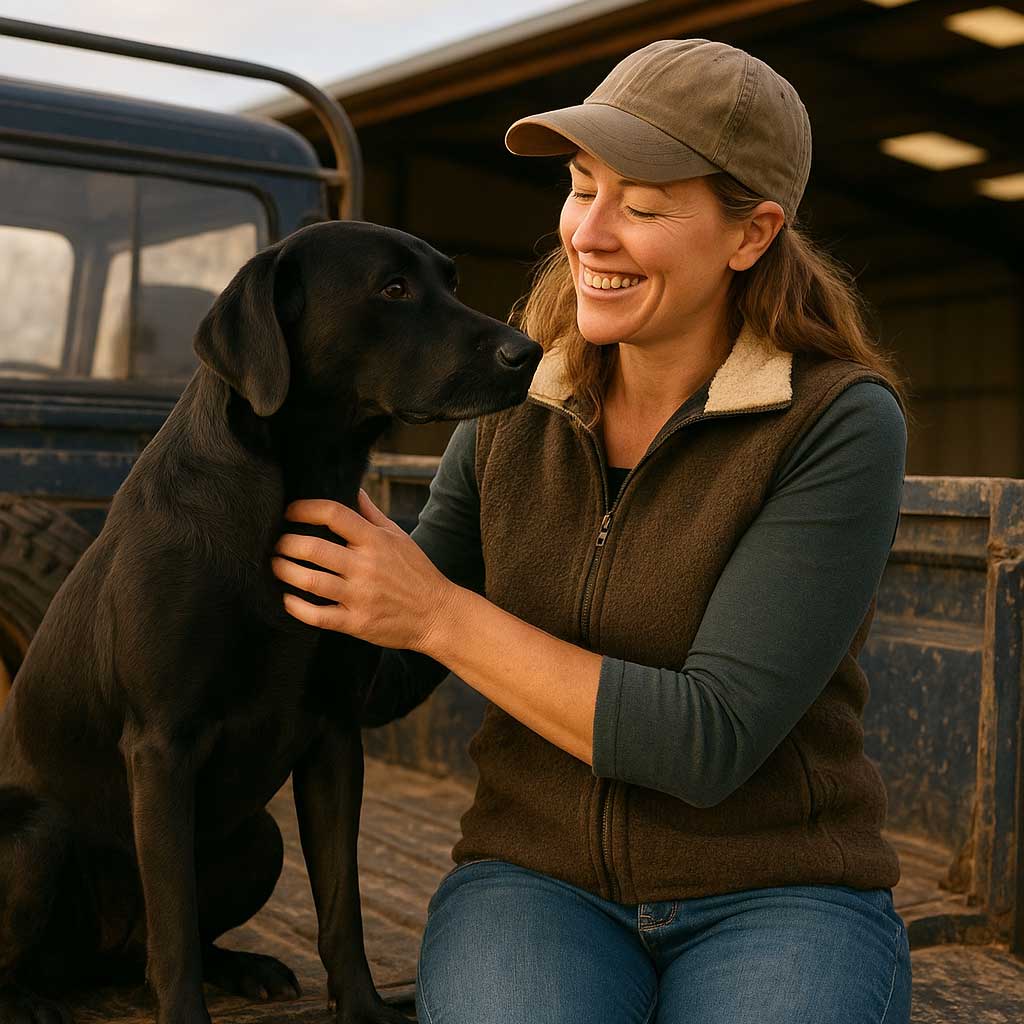
Featured image credit: AI generated.